
Why support is needed
Timely help can keep a difficult situation from becoming worse.
Pain, exposure, infection and traffic danger can worsen quickly. Timely rescue and veterinary attention may reduce suffering and give an animal a safer route to recovery.
An injured, ill, abandoned or endangered animal may depend entirely on a passer-by, community caregiver or rescue volunteer. Responsible welfare begins with safe intervention and continues through veterinary assessment, nourishment, shelter, rehabilitation and suitable long-term care.
An animal in pain cannot explain where it hurts, how long it has been hungry or why it was abandoned. Its chance of recovery may depend on the first person who stops—and the people who help that care continue.
Who this fund is intended to help
Support shaped around people and situations
Injured street animals
Animals affected by road accidents, wounds, infection or other immediate physical danger.
Abandoned animals
Animals left without dependable food, shelter, treatment or a responsible caregiver.
Young and vulnerable animals
Orphaned, very young, older or disabled animals needing additional observation and care.
Community caregivers
People supporting animals locally while facing the cost of food, transport, medicine or treatment.
Animal-welfare assistance is intended for needs in India. Rescue capability varies greatly by location and depends on nearby caregivers, transport, veterinary access and available resources. A donation supports the selected fund; it does not imply that direct rescue is currently available in every city or district.
Where your donation may go
Support connected directly to the cause
Emergency response
Rescue coordination and safe transportation can move an animal away from immediate danger.
Veterinary care
Assessment, diagnostics, medicine and treatment may address injury or illness.
Food and shelter
Recovery often requires suitable nutrition, clean shelter and patient daily care.
Rehabilitation
Follow-up treatment and responsible placement can support safer long-term welfare.
Animal-welfare contributions may support rescue transport, veterinary treatment, medicine, food, temporary shelter and rehabilitation connected to an approved need.
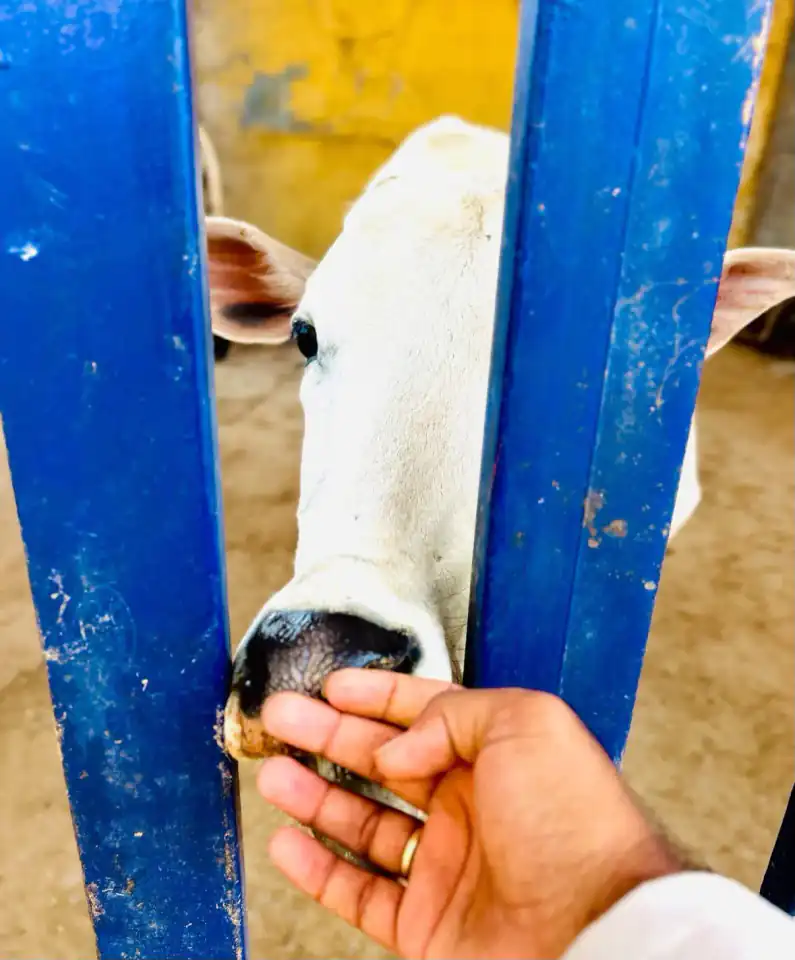
The reality behind the need
What people may be facing
- Emergency transport and safe handling are not immediately available
- Veterinary tests, treatment or medicine exceed a caregiver's resources
- Recovery requires food, shelter and continued observation
- Abandoned young or older animals need specialised attention
- Community caregivers manage several animals with limited supplies
How the need can appear
Realistic circumstances this fund is designed to address
An animal is injured near traffic
Safe handling and transport may be needed before veterinary assessment can begin.
Treatment is beyond a caregiver's means
Diagnostics, medicine or procedures can exceed what a local volunteer can pay alone.
Rescue is only the beginning
Recovery may require weeks of food, cleaning, medicine, shelter and observation.
Several animals depend on one caregiver
Community feeding and treatment needs can quickly stretch limited personal resources.
What your support can change
Help can create immediate relief and renewed possibility
Faster response to an animal in distress
Reduced pain and risk through veterinary care
Safe time and conditions for recovery
Stronger support for responsible community caregivers
What may change immediately
- Movement away from immediate danger
- Access to veterinary attention
- Food, shelter and relief from suffering
What continuing support can encourage
- Time and care needed for recovery
- Stronger support for local caregivers
- A safer long-term welfare outcome
How the work is approached
From understanding the need to useful support
- Prioritise safe handling for the animal and rescuer
- Seek qualified veterinary assessment when required
- Plan beyond rescue for recovery and follow-up
- Encourage humane, lawful and responsible community care
How support moves toward the need
A contribution begins a practical chain of action
Understand the immediate risk
Location, condition, safety and available local assistance shape the first response.
Reach appropriate care
Transport and professional veterinary assessment may identify treatment and recovery needs.
Support daily recovery
Medicine, nutrition, shelter and patient observation can continue well after rescue.
Plan responsible follow-up
Rehabilitation, return, fostering or another suitable arrangement may be considered according to the animal's condition.
Behind every act of care is a life that matters
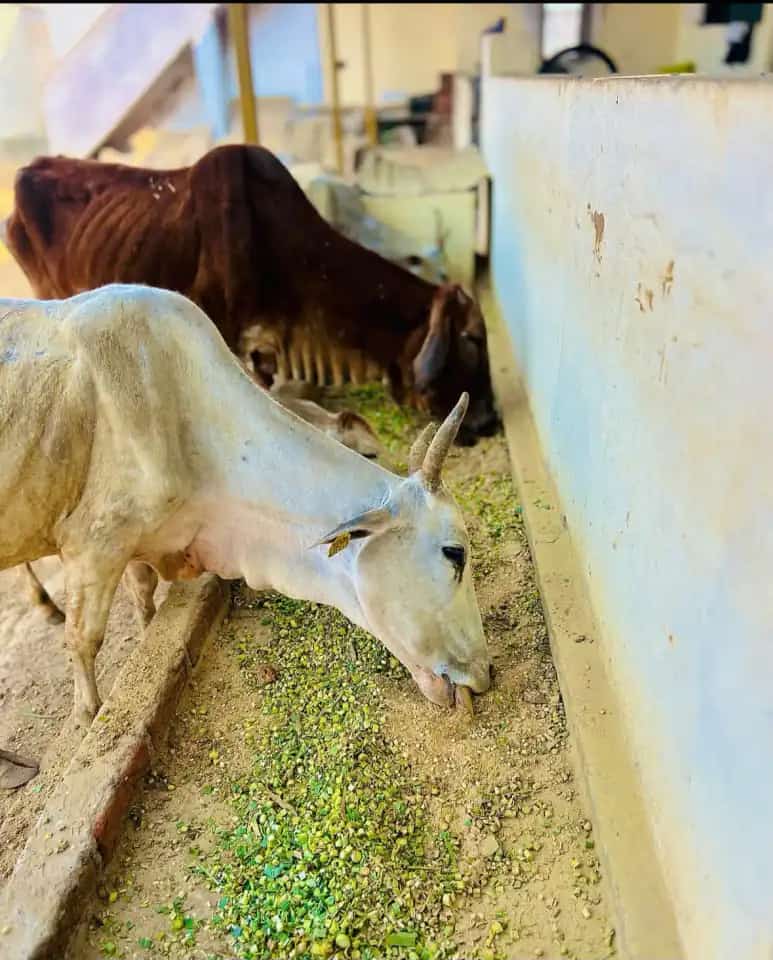
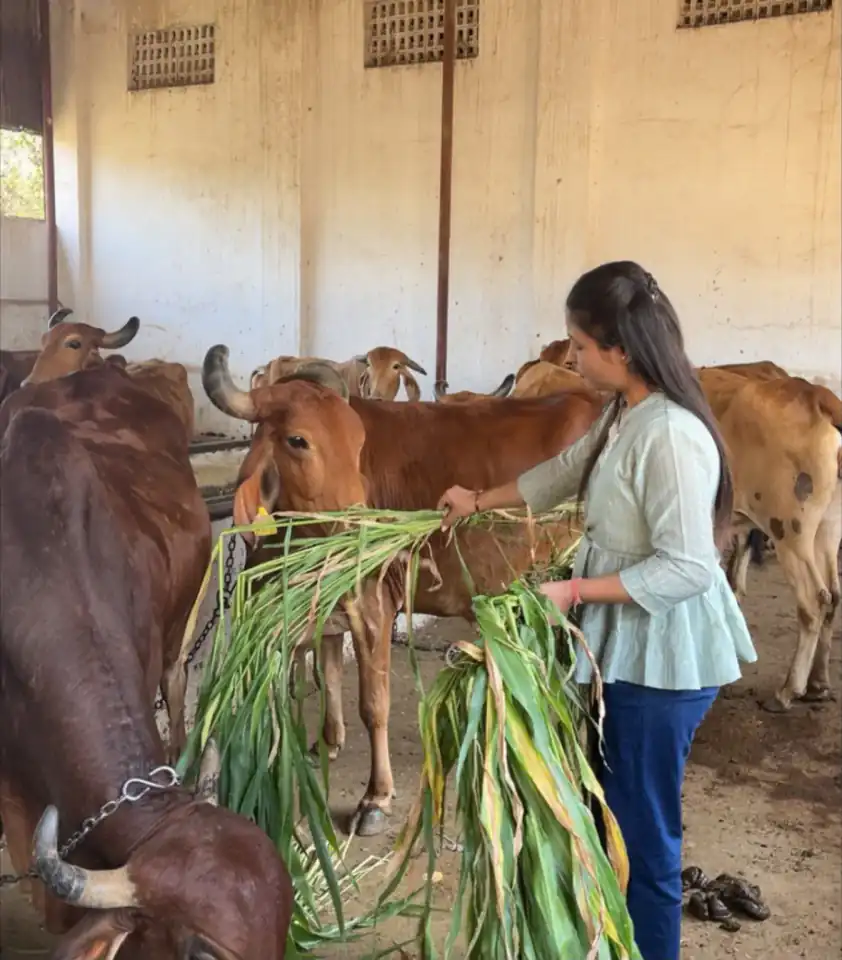
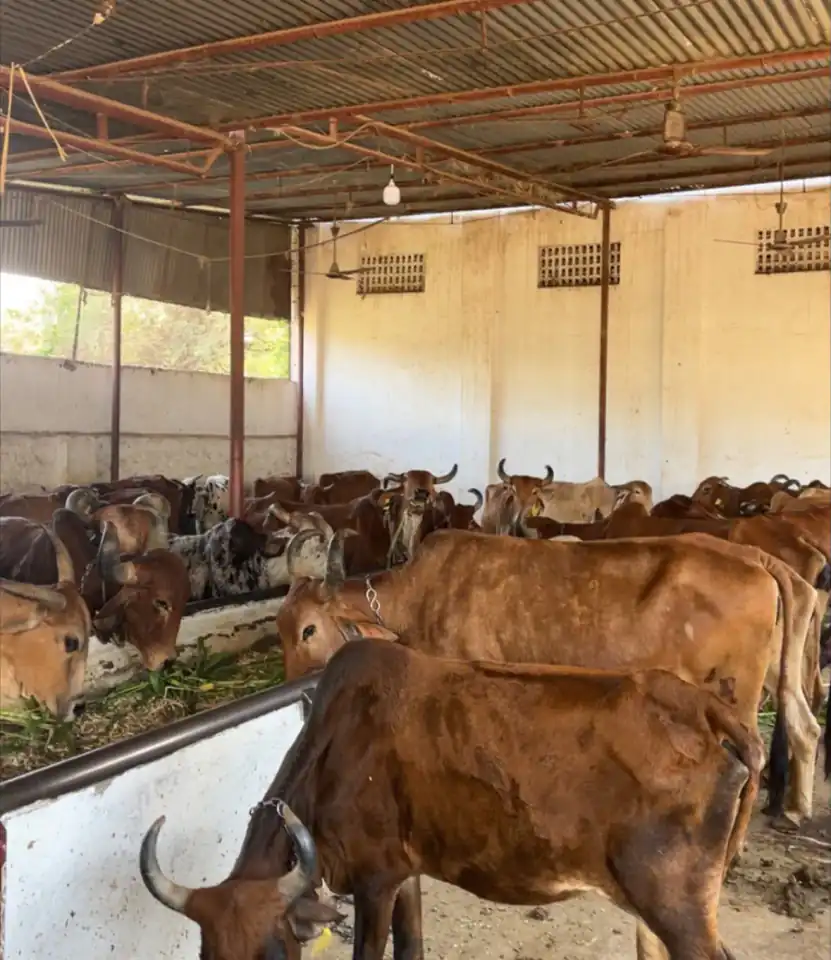
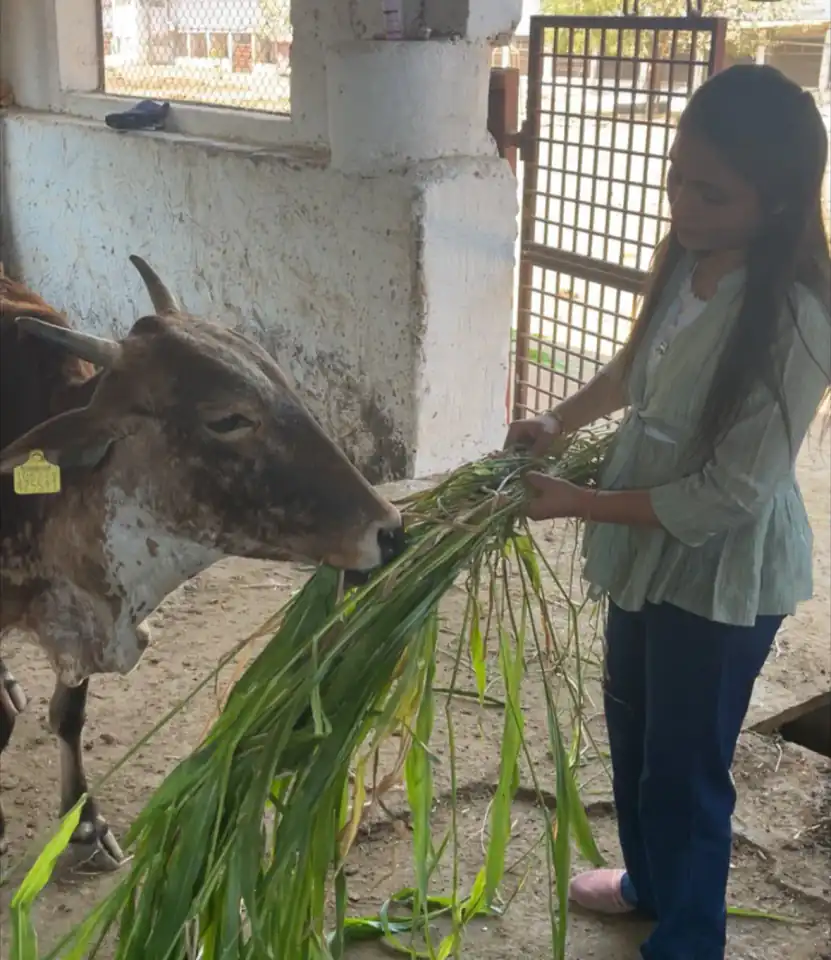
Animal Rescue & Welfare in action
These photographs document practical activity connected to this area of work and replace generic demonstration imagery with real moments.
Questions about this cause
Helpful answers before you contribute
Does support stop after an animal is rescued?
Not always. Treatment, food, shelter, observation and rehabilitation may be necessary after the immediate rescue.
Can donations help community animal caregivers?
They may support an approved rescue or recovery need within the selected campaign's purpose.
How can I donate for animal rescue?
Choose Animal Rescue & Welfare on the donation page so the purpose is included in the checkout record.